
Dynamic Motion Imaging
Working Hours
- Canada: Tuesday, Wednesday, Friday: 9:00-17:00:
- USA: Monday and Thursday: 9:00-17:00
Have Any Query?
Dynamic Motion Imaging
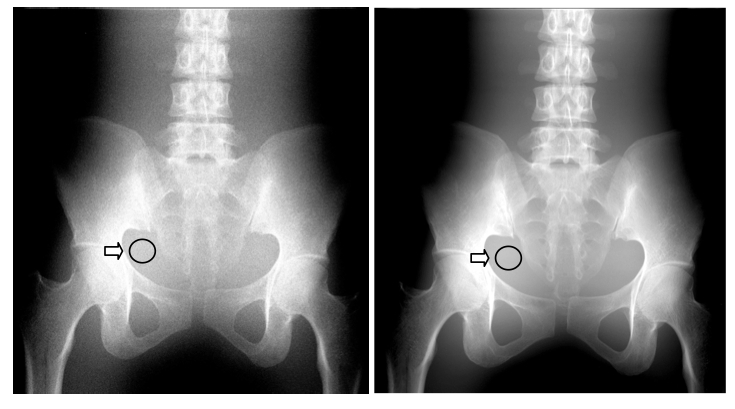
Dynamic Motion Imaging is the future of imaging. Dynamic Motion Imaging is a form of x-ray that is conducted with the desired body joint moving, or “dynamic” as opposed to not moving, or “static.” The direction of the technology for medical diagnostic equipment is evolving to focus on testing the function of the body systems (of which one system is the skeletal system, involving the body’s joints) and focusing less on the anatomy. This is because there is a lot of frustration in the health care system with being able to perform static imaging that shows a textbook perfect anatomy, but yet the patient is in agony.
Body function examples to better Understand Dynamic Motion Imaging
This is why we have Glucose testing for people suspected of Diabetes (pancreas organ problem). Glucose tests evaluate the function of the pancreas and not the anatomical appearance of the pancreas. Only on a microscopic level can you see the changes (to the Islet cells of the pancreas) causing the diabetes. It is dangerous and unrealistic to remove an organ or samples of an organ to test for function, because in the early to mid stages of disease, the anatomy looks remarkably normal when we use our static technologies. The change starts on the microscopic level first.
What about the Spine and other joints?
The same goes for the body’s joints. In the early to mid stages after injury, the anatomy looks remarkably good. It is usually 5 to 12, or potentially more years later that patients seek therapy because of gradually worsening pain that they cannot explain, and a static x-ray shows degenerative arthritis. However, these patients are occasionally far too young to have degenerative arthritis in their neck (this depends on how old they were at the time of the injury).
Dynamic Motion Imaging of injured joints can pick up the stretched or torn connective tissue based on evaluating the function of the joints and how far the bones shift around when moving to determine damage to the anatomy of a tissue (generally a ligament, capsule or cartilage).
In comparing the joints to an organ, think of the bones as the pancreas and the ligaments as the cells in the pancreas that make insulin to control blood sugar. Knowing today that they are not making insulin can help you protect and slow the damage to your pancreas over the next 10, 20, 30 or more years. Similarly, knowing today that a joint’s function is abnormal as a result of recent injury, can help you and your therapist slow the progression of the degenerative arthritis that an injury to that joint can cause.
Generally, Dynamic Motion Imaging is limited to the neck, shoulder, elbow, wrist, fingers, hip, knee, a
nkle, and toes. It can also evaluate the low back, but has its limitations.
Dynamic Motion Imaging has Extremely low radiation doses!
Because Dynamic Motion Imaging uses a much, much lower amount of radiation than a regular x-ray, if a person has a large stature in the abdominal (tummy) area, the x-ray may not be powerful enough to clearly show the bones of the low back.
Do you need a referral forDynamic Motion Imaging?
No. Chances are, many doctors will not even know this form of imaging exists because it is so new.If you feel that you have an injury requiring Dynamic Motion Imaging, or wish to have your healthy neck or another joint screened, please contact us with your inquiry.
Cold pack First help with pain
Ice is one of the simplest, safest and most effective self care techniques for injury, pain or discomfort in muscles and joints

During an initial injury, tissue damage can cause uncontrolled swelling. This swelling can increase the damage of the initial injury and delay the healing.
If you use ice immediately within the first 48 hours, you can reduce the healing time by up to 80%
Our gel-filled Cold Packs are made of the most durable materials. It is a silky nylon/pvc material that is smooth against the skin.
This 5×8 inch cold pack fits comfortably around your neck or wrapped over your shoulder, wrist, ankle, knee or any other injured area